
Author: Zinduka Tanzania Organization.
Abstract.
Background
Mwanza City, Tanzania, faces rapid population growth and high demand for pork. The sector is dominated by small-scale, unregistered individual operators using informal pig slaughter facilities. These sites lack institutional compliance, structural infrastructure, and regulated meat inspections, triggering severe public health and environmental risks.
Aim and Objectives
This study assessed the hygiene situations and sanitation practices at Mabatini and Nyegezi facilities to improve outbreak surveillance and food safety interventions.
Methodology.
A cross-sectional study was executed between January and June 2022 in Mabatini and Nyegezi wards. Quantitative and qualitative data were gathered from 50 randomly and purposively chosen respondents, including facility operators, slaughter workers, community leaders, vendors, consumers, and livestock officers. Data collection used structured Swahili-translated questionnaires via face-to-face interviews, group discussions, and direct field observations. Analyses were run via SPSS 20 and Excel 2010.
Results.
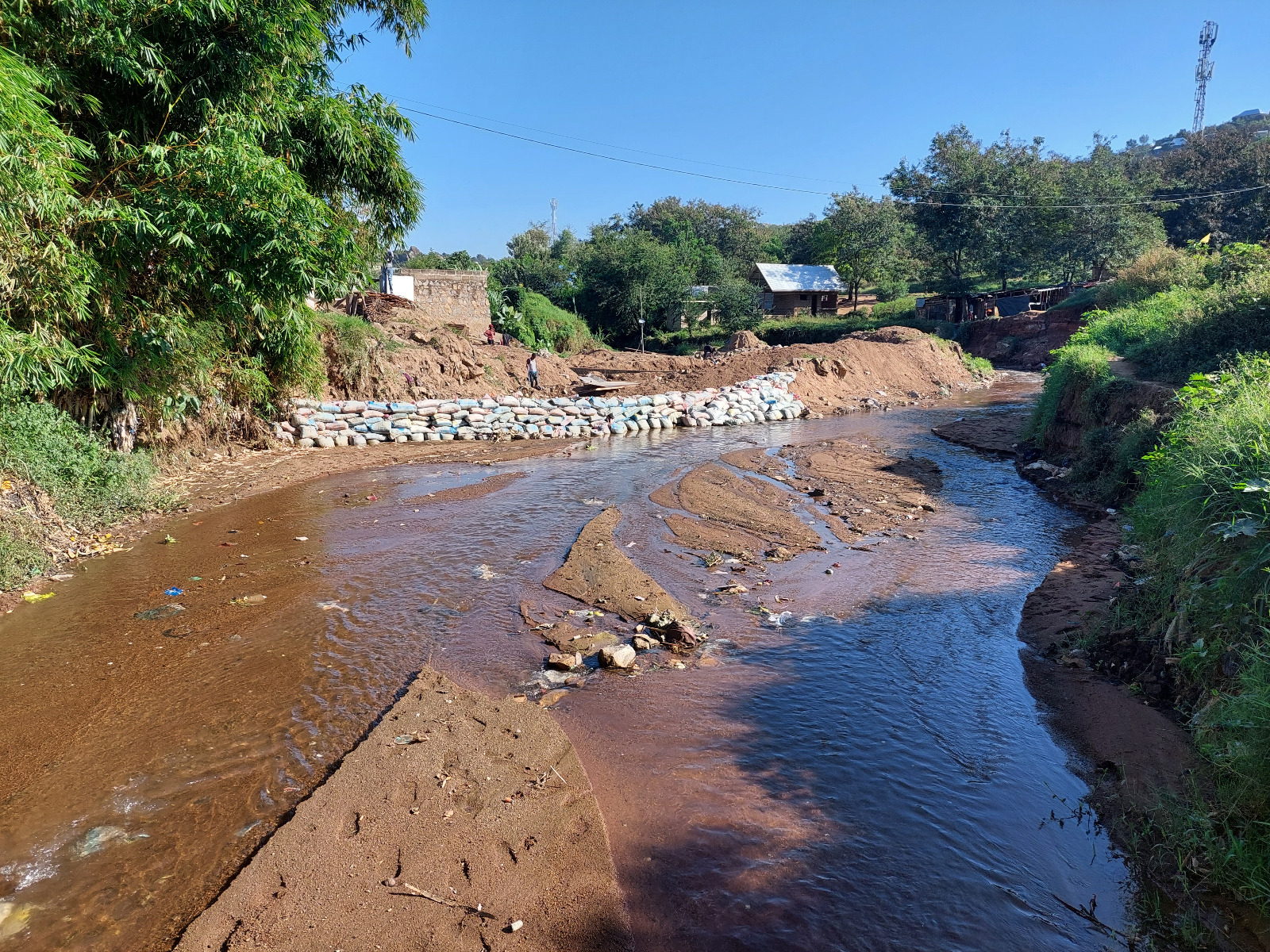
Assessments uncovered alarming structural and operational failures. Data showed an 85% mean failure rate for baseline structural hygiene; 90% of locations lacked permanent partitions separating clean and dirty areas, while 100% lacked humane stunners and ventilated windows. Operational hygiene showed a 71% mean failure rate, with a 100% absence of SOPs and HACCP frameworks. Furthermore, 80% of workers lacked official food safety training, relying entirely on traditional habits. Field visits confirmed that all slaughter waste from Mabatini facilities is dumped directly into the Mirongo River, polluting Lake Victoria.
Conclusion.
Current pig slaughter operations in Mabatini and Nyegezi are highly unhygienic and lack basic sanitation amenities, exposing residents to serious health hazards. Non-compliance stems from a lack of formal, city-owned pig abattoirs. It is recommended that Mwanza City Council establish formal livestock markets, create Public-Private Partnership (PPP) processing investments, and strengthen strict enforcement of post-mortem meat inspection.